


Lactobacillus fermentum GRX08: A powerful ally against alcohol-induced liver injury
Release Time:
2025-07-03
Lactobacillus fermentum GRX08: A Powerful Ally Against Alcohol-Induced Liver Injury
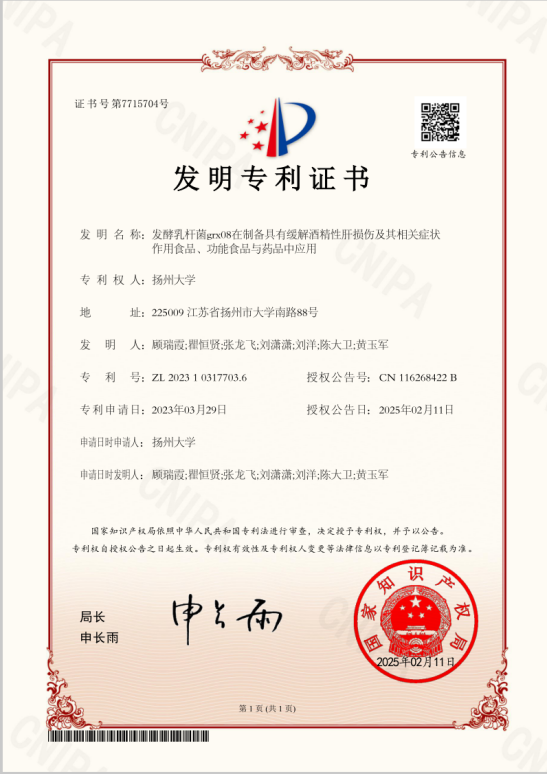
Figure 1 Patent
In modern society, alcohol has become an indispensable part of many people’s lives. Whether in social settings or for personal relaxation, drinking is commonplace. However, excessive alcohol consumption poses numerous health risks, particularly to the liver.
Fortunately, a patented invention developed by Professor Gu Ruixia’s team at Yangzhou University has offered us hope: Lactobacillus fermentum GRX08. Indeed, following the 2013 patent titled “Application of Lactobacillus fermentum GRX08 in the Preparation of Functional Foods and Pharmaceuticals for Alleviating Obesity and Disorders of Glucose and Lipid Metabolism,” this remarkable probiotic strain has, through the team’s ongoing research, been found to possess an additional beneficial function—mitigating alcoholic liver injury and its associated symptoms.
I. Alcoholic Liver Injury: A Health Hazard That Should Not Be Overlooked
Alcohol is primarily metabolized in the body via the alcohol dehydrogenase (ADH) pathway within hepatocytes. Under normal conditions, the liver efficiently processes ingested alcohol, converting it into harmless metabolites that are then excreted. However, when alcohol intake exceeds the liver’s metabolic capacity, ethanol and its metabolic byproducts accumulate in the liver, leading to a cascade of pathological changes.
First, hepatocytes suffer direct toxic injury, leading to cellular deformation and necrosis. This damage not only impairs the liver’s ability to metabolize nutrients such as carbohydrates, proteins, and fats but also compromises its detoxification functions. Prolonged alcohol consumption can further trigger chronic inflammation in the liver, exacerbating hepatic injury and ultimately increasing the risk of serious conditions like fatty liver, alcoholic hepatitis, and even cirrhosis.
In addition, the pathogenesis of alcoholic liver disease involves multiple complex physiological processes. Alcohol induces oxidative stress, leading to the excessive production of free radicals that damage cellular membranes, proteins, and DNA, among other biomolecules. At the same time, alcohol compromises the integrity of the intestinal barrier, allowing endotoxins from the gut to translocate into the bloodstream, thereby activating the immune system and triggering the release of numerous pro-inflammatory cytokines, which further exacerbate hepatic inflammation.
II. Lactobacillus fermentum GRX08: A Remarkable Probiotic
Lactobacillus fermentum GRX08 is a probiotic strain with unique physiological functions. Studies have shown that this strain can mitigate alcohol‑induced liver injury through multiple mechanisms.
First, Lactobacillus fermentum GRX08 can modulate ethanol metabolism. During alcohol metabolism, ADH oxidizes ethanol to acetaldehyde, while ALDH further converts acetaldehyde into harmless acetate. In an alcoholic liver injury model, the serum ALDH levels in rats are significantly reduced, whereas ADH activity is markedly increased, leading to acetaldehyde accumulation and exacerbating liver damage. In contrast, Lactobacillus fermentum GRX08 can substantially decrease ADH activity, restore ethanol metabolic homeostasis, and mitigate the hepatotoxic effects of acetaldehyde.
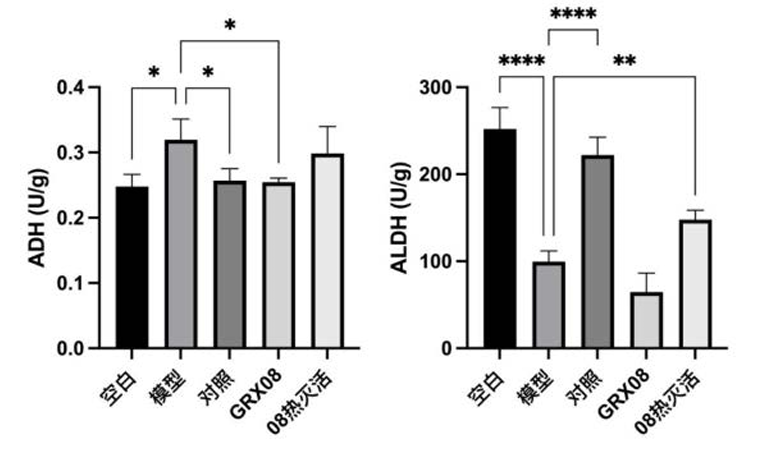 Figure 2. Determination of alcohol-metabolizing enzymes in rats
Furthermore, the hepatoprotective effects of Lactobacillus fermentum GRX08 are also evident in its ability to reduce alanine aminotransferase (ALT) levels, decrease hepatic lipid accumulation, and lower the levels of lipid peroxidation products. ALT is an important biomarker of liver injury; its reduction indicates that hepatocellular damage has been alleviated. Meanwhile, the decreases in total cholesterol (TC), triglycerides (TG), and malondialdehyde (MDA) in the liver further demonstrate that Lactobacillus fermentum GRX08 can mitigate alcohol‑induced disturbances in hepatic lipid metabolism and oxidative stress.
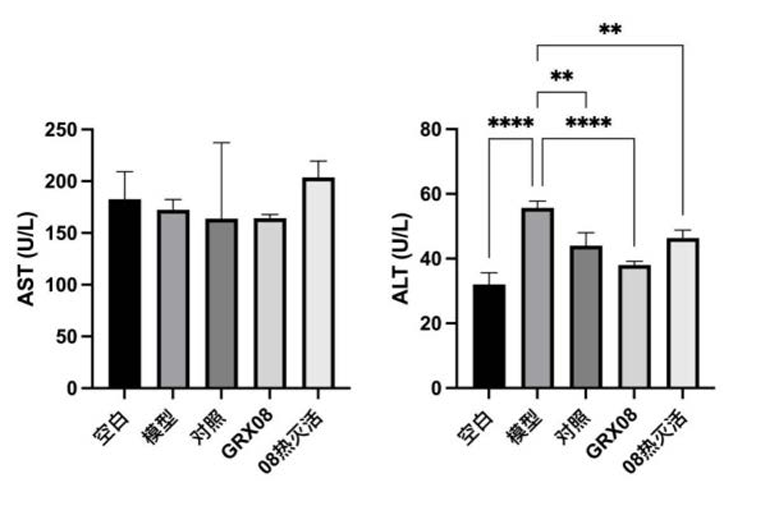 Figure 3. Determination of hepatic function in rats
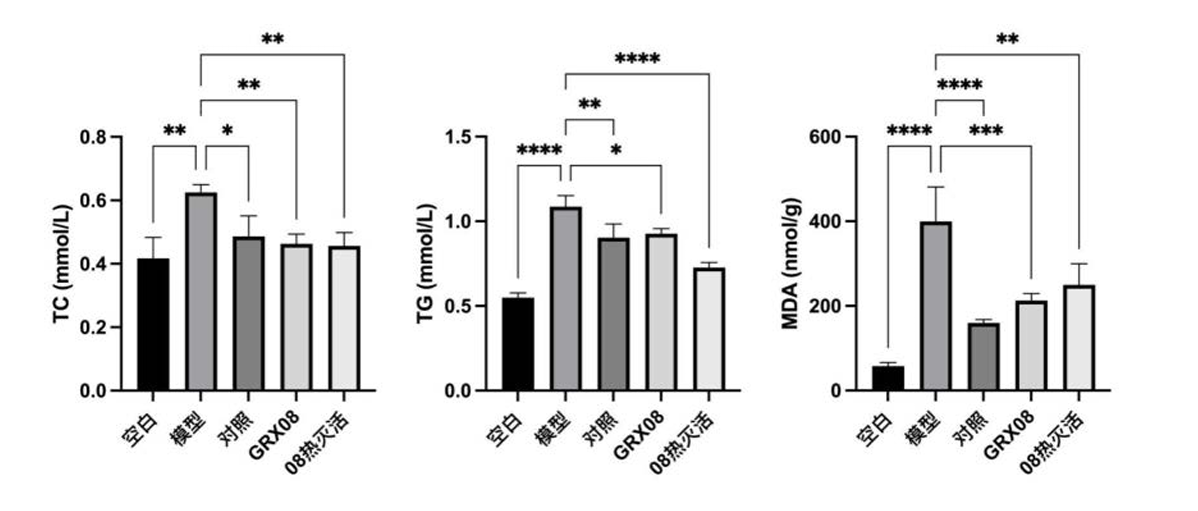
Figure 4. Determination of hepatic lipids and lipid peroxidation products in rats.
In addition, Lactobacillus mucosae strain GRX08 also reduces urinary urea nitrogen and serum creatinine levels, thereby alleviating renal damage. The kidneys are crucial auxiliary organs in alcohol metabolism, and excessive alcohol intake can likewise impair renal function. Lactobacillus mucosae strain GRX08 can modulate the body’s metabolic homeostasis, lighten the burden on the kidneys, and protect renal function.
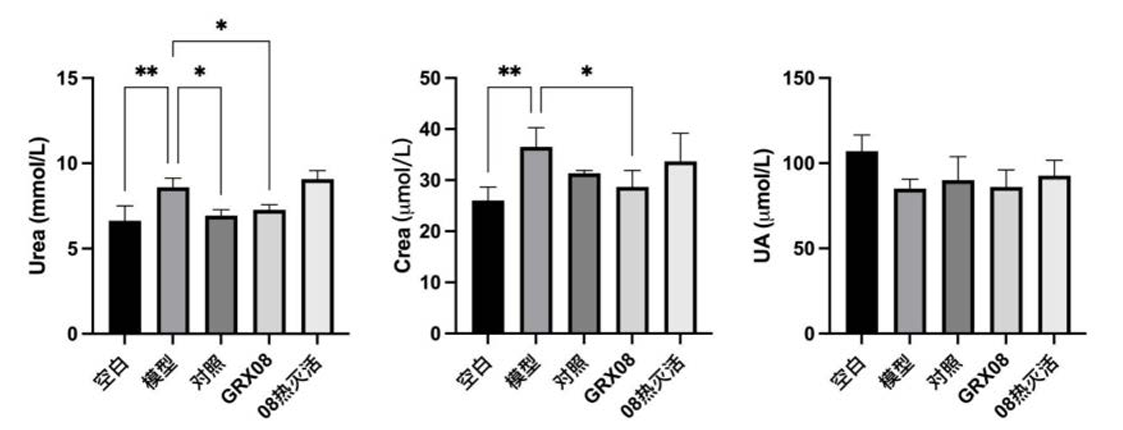
Figure 5: Assessment of Renal Function in Rats
Lactobacillus fermentum GRX08 also enhances intestinal tight junction integrity and reduces levels of endotoxins and D‑lactic acid. The integrity of the intestinal barrier is essential for maintaining homeostasis within the body. Alcohol consumption disrupts the intestinal barrier, allowing harmful substances such as endotoxins and D‑lactic acid to enter the bloodstream and trigger inflammatory responses. In contrast, Lactobacillus fermentum GRX08 can modulate the gut microbiota, strengthen tight junctions between intestinal epithelial cells, and decrease the translocation of endotoxins and D‑lactic acid, thereby alleviating inflammation and protecting the liver from further damage.
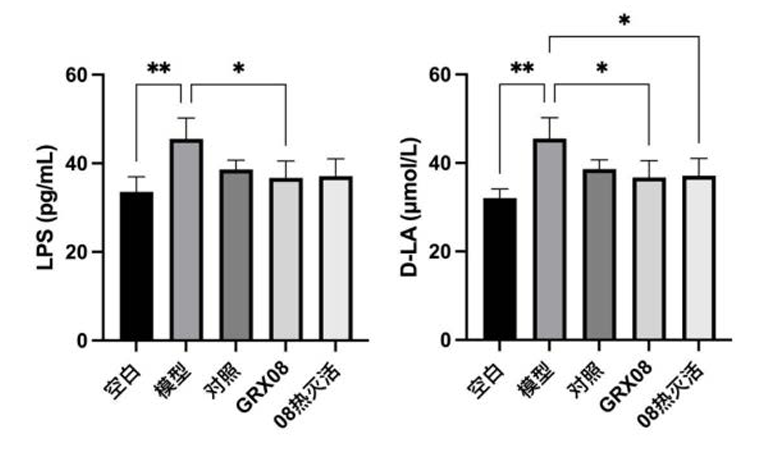
Figure 6. Determination of intestinal permeability in rats
Lactobacillus fermentum GRX08 also exerts anti-inflammatory effects by reducing the levels of inflammatory cytokines and alleviating the body’s inflammatory response. Inflammatory mediators such as tumor necrosis factor‑α (TNF‑α), interleukin‑6 (IL‑6), and nuclear factor‑κB (NF‑κB) play pivotal roles in the onset and progression of alcoholic liver injury. Lactobacillus fermentum GRX08 can significantly decrease the concentrations of these cytokines, suppress the excessive activation of inflammatory pathways, and mitigate hepatic inflammatory damage.
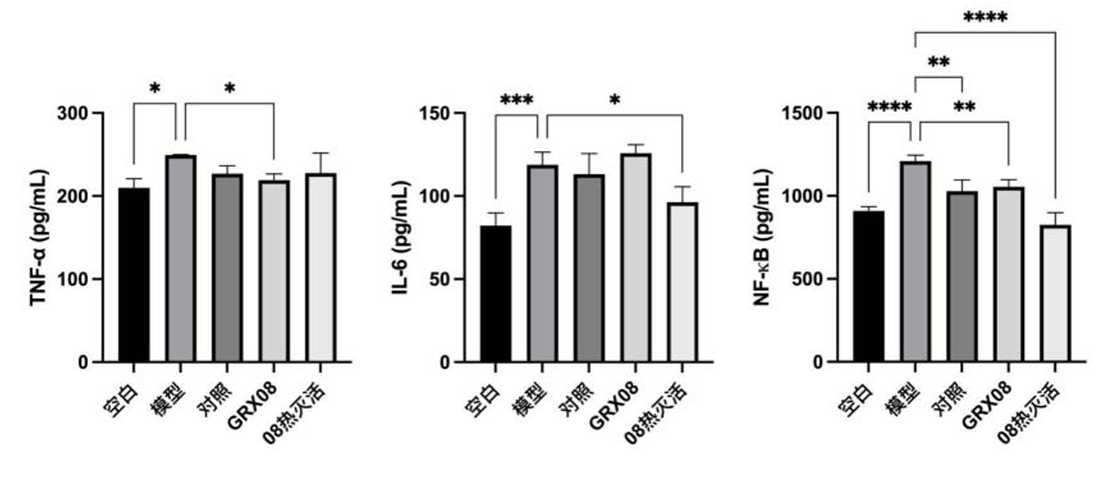
Figure 7. Assessment of inflammatory status in rats
Finally, Lactobacillus fermentum GRX08 can also lower blood glucose levels and mitigate the hyperglycemia induced by acute alcoholic injury. Alcohol consumption disrupts the body’s carbohydrate metabolism, leading to fluctuations in blood glucose. In contrast, Lactobacillus fermentum GRX08 helps restore metabolic homeostasis, thereby reducing blood glucose levels and alleviating alcohol‑induced disturbances in carbohydrate metabolism.
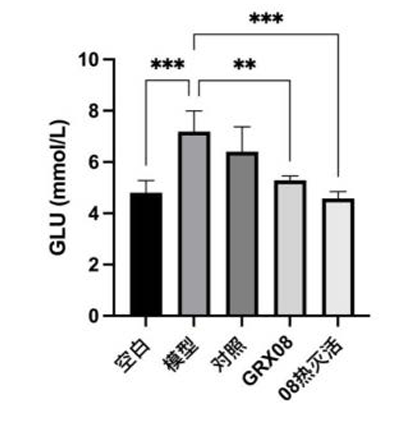
Figure 8. Measurement of blood glucose in rats
III. Prospects for the Application of Lactobacillus fermentum GRX08
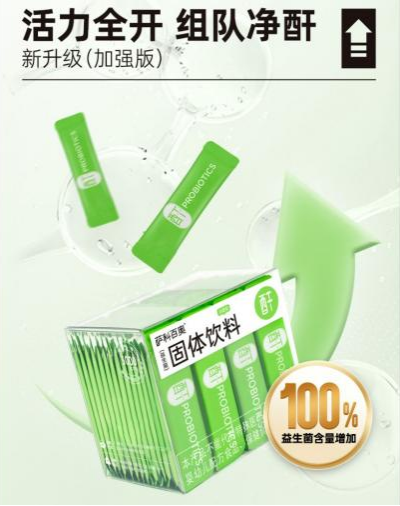
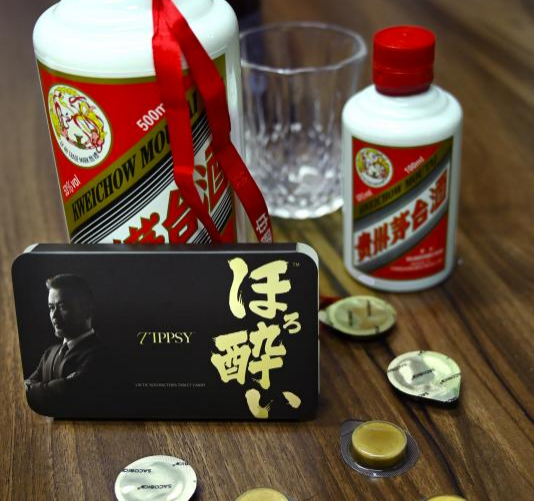
Building on the fermented Lactobacillus mucosus strain GRX08, and incorporating prebiotics, natural fruit powders, and ingredients with both medicinal and food‑based properties, Sako Bio™ has continuously developed a range of functional foods designed to alleviate hangovers and protect the liver. These products not only deliver excellent taste and nutritional value but also offer consumers a convenient and effective way to prevent and mitigate alcohol‑induced liver damage.
IV. Conclusion
Alcoholic liver injury is a serious public health concern, and the discovery of Lactobacillus mucosus strain GRX08 offers a completely new approach to addressing it. This probiotic exerts protective effects against alcoholic liver damage through multiple mechanisms, holding great promise for future applications. Nevertheless, it is important to recognize that the most effective strategy for preventing alcoholic liver injury remains limiting alcohol consumption. While enjoying the pleasures that alcohol can bring, we should prioritize our health, drink responsibly, and safeguard our liver.
Related News
Address: Building 7, No. 168 Tingyi Road, Tinglin, Jinshan District, Shanghai (Factory Headquarters)
Room 101, Building B, No. 455 Yanzhan Road, Songjiang District, Shanghai (Headquarters)
Hotline: +86-21-37190170